Marketing automation has become a standard tool for modern brands. However, simply installing automation software does not guarantee strong results. Many businesses set up workflows, schedule campaigns, and expect immediate growth – only to find that performance remains average.
The difference between average and successful automation lies in strategy. In this article, MKT Software will explore 9 marketing automation best practices for brands to apply.
I. Why should brands use marketing automation practices?
Marketing automation is often associated with efficiency, yet while saving time and reducing manual work are important advantages, the real value of marketing automation extends even further. Below are the deeper reasons why brands should adopt marketing automation practices
- Deliver consistent communication: Marketing automation ensures that customers receive timely and structured messages across all touchpoints. This consistency can strengthen brand reliability, as well as ensure customers always receive relevant information at the right moment
- Personalize messaging at scale: Automation tools allow brands to customize content based on individual customers’ data. This level of personalization massively helps improve engagement, increases conversions, and strengthens customer relationships over time.
- Nurture leads effectively: Not all leads are ready to purchase immediately, and marketing automation enables businesses to gradually build trust and address concerns with these leads, thus increasing the likelihood of conversion without overwhelming them.
- Align marketing with sales goals: When a lead reaches a certain qualification threshold, with the help of automation systems, they can instantly be passed to the sales team. This alignment ensures that marketing efforts directly support revenue objectives and that sales teams focus on high-intent prospects.
- Improve customer retention: Automation supports post-purchase engagement through means like follow-up emails, loyalty rewards,… By maintaining regular communication even after a sale, brands may strengthen relationships and encourage repeat purchases.
Read more: What Is Marketing Automation in Digital Marketing?
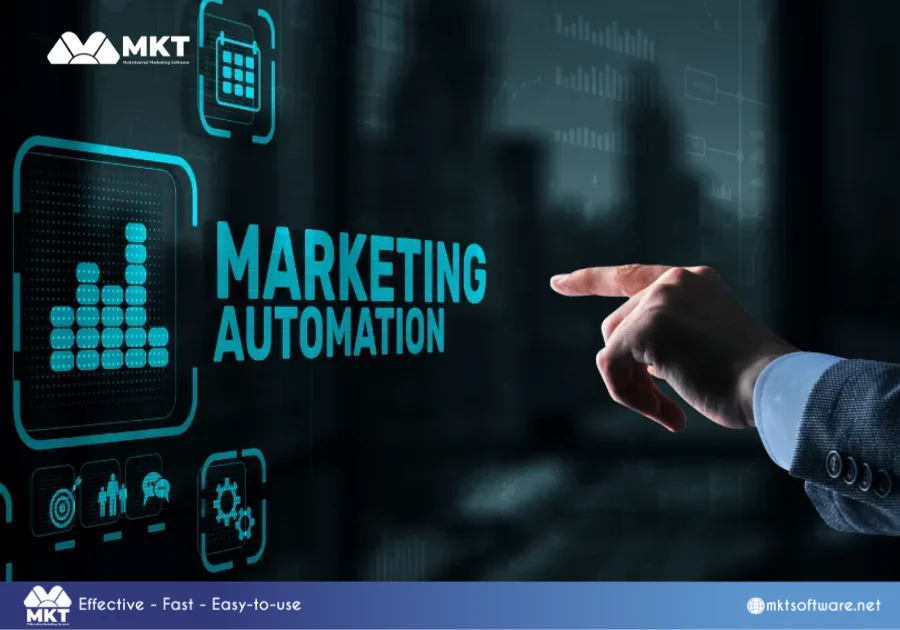
II. 9 Marketing automation best practices for successful campaigns
There is no doubt that marketing automation offers many benefits for brands. However, applying it effectively is not always simple. Marketing automation is more than just setting up structured workflows – it also requires a clear strategy and careful planning.
Below are 9 marketing automation best practices for brands to take notes:
2.1. Create a data foundation
Every automation system depends on data. Without accurate, structured, and reliable data, workflows cannot function properly.
Building a strong data foundation means collecting meaningful customer information across all touchpoints, for example: Website visits, email engagement, purchase behavior,…. It also requires regularly cleaning the database to remove duplicates, outdated contacts, and incomplete records.
2.2. Dynamic customers segmentation
Segmentation is one of the most powerful features of marketing automation. However, static segmentation based only on age, location, or one-time purchases is no longer enough.
To fully benefit from marketing automation, brands need to make their segmentation more dynamic. This means grouping customers based on real behavior and engagement patterns, not just basic profile data.
For example, customers who often browse premium products can be placed in a different segment from those who focus on discounts. Inactive users can automatically enter re-engagement workflows, while high-intent leads can be prioritized for direct sales outreach.
2.3. Follow consent management practices
Automation often increases the volume and frequency of communication. As a result, without proper consent management, this can lead to legal risks and potentially harm brand trust.
Therefore, brands must ensure that customers clearly agree to receive communications. Respecting customer consent not only ensures compliance but also builds long-term trust and credibility. Brands can achieve this via:
- Transparent sign-up forms that clearly explain what users are subscribing to.
- Clear and easy-to-understand privacy policies.
- A simple and accessible unsubscribe process.
2.4. Use consistent brand voice
Automation can quickly lead to fragmented messaging if content is created without clear and consistent guidelines. Different teams may build separate workflows that sound inconsistent or disconnected from the brand’s identity.
Before scaling automation, brands should define a clear and shared standard for tone, messaging style, and communication rules. Every automated message, whether it is an email, SMS, or chatbot response, should be able to reflect the same brand voice and personality.
2.5. Automate each customer journey stage
Marketing automation should support the entire customer lifecycle, not just the lead acquisition process. Many businesses focus mainly on welcome emails or promotional campaigns, and neglect other important stages of the journey. As a result, they weaken the overall effectiveness of their marketing efforts.
By building workflows that align with each stage of the customer journey, brands can create a smooth and consistent experience where customers feel supported and guided rather than pressured.
2.6. Identify customers’ preferred channel
Modern customers often interact with brands across multiple channels, but their preferences are different. Some customers engage more through email, while others respond faster to SMS or messaging apps.
Since marketing automation platforms provide detailed performance data, brands should take advantage of this, and learn to review channel metrics such as open rates, response times,…. By analyzing this data, businesses can identify which channels work best for each audience segment and adjust their communication strategy accordingly.

2.7. Utilize AI to streamline operations
Traditional automation follows predefined rules, while AI adds predictive and adaptive capabilities to marketing campaigns. For brands that want to stay competitive, gradually integrating AI features into existing workflows is becoming increasingly important.
By combining structured automation with AI-driven insights, businesses can shift from reactive marketing to a more proactive and data-driven strategy
2.8. Utilize customer service practices
Marketing and customer service should not work in isolation. From the customer’s point of view, every interaction shapes the overall brand experience.
For this reason, automation should also include service-focused workflows, such as order confirmations, shipping updates, FAQ responses,…. When marketing automation supports customer service processes, communication becomes smoother, more consistent, and more reliable.

2.9. Constant testing and optimizing
It is important to understand that automation is not a one-time setup. Over time, customer preferences change, market conditions shift, and campaign performance can rise or fall.
For this reason, brands need to review and optimize their workflows on a regular basis. This may include testing different subject lines, improving call-to-action placement, updating segmentation criteria, and adjusting workflow timing.
III. Common mistakes to avoid when applying marketing automation
Although marketing automation offers significant advantages, it can also create problems when implemented without strategy. Understanding common mistakes is just as important as knowing all the best practices.
By recognizing these pitfalls early, brands can build automation systems that are not only efficient but also sustainable and customer-focused. Some common mistakes brands encounter when using marketing automation include:
- Ignoring engagement signals: Automation ensures consistent communication, but it should never run without reviewing performance data. If brands ignore these data, campaigns may continue even when engagement is declining.
- Not aligning marketing and sales: If marketing teams nurture leads without clearly defining qualification criteria, sales teams will receive unprepared or low-intent prospects.
- Relying only on rule-based workflows: As traditional workflows do not adapt unless manually updated, campaigns can feel repetitive or outdated over time.
- Over-automation: Although automation is designed to increase efficiency, excessive automation can harm the customer experience due to overwhelming number of communication, or lack of genuine human feelings.
IV. Final thoughts: Marketing automation best practices
In today’s environment, successful brands are not simply those that automate processes. They are the ones that apply marketing automation best practices in a thoughtful and strategic way to create meaningful, scalable customer experiences.
You may be interested in: Automated marketing for small businesses: 5 Best tools to utilize