Reply rates on Facebook bulk messaging are collapsing across nearly every niche in 2026, and brands that used to land 8–12% are now scraping by at 2–3%. The diagnosis is simple once you map the funnel: sender reputation has tightened, content fatigue is real, and the "copy-paste 5,000 people at once" playbook is finally dead. MKT Care is the desktop suite that lets one operator run safe, varied, personalized bulk message campaigns at scale across thousands of Facebook contacts – and consistently rebuilds reply rates back to double digits.
I. Why your Facebook bulk messaging reply rate is dropping?
If your campaigns hit good numbers six months ago and are flatlining now, four shifts are doing the damage. Facebook bulk messaging reply rates respond to the same signals organic posts do – relevance, novelty, and behavioral "humanness" on the sender side – and 2026 broke all three at once.
- Sender-side throttling: Meta now soft-throttles accounts that send 50+ outbound messages per day with identical wording, even to existing contacts. You don’t get banned – your messages just stop reaching the recipient’s primary inbox.
- Inbox crowding: the average Facebook user gets 3x more brand DMs than they did in 2024. Generic openers ("Hey, hope you’re well!") get reflexively swiped to the spam folder.
- Profile-mismatch penalty: Meta cross-references the sending account’s history (posts, friends, page activity) against the message intent. Burner-style accounts that ONLY send DMs are flagged within 100 messages.
- Recipient cohort fatigue: if 8 competitors hit the same list in a week, the 9th sender lands cold. Reply rate is a leading indicator that your list has been over-mined.
You can confirm which of the four is hurting you most by pulling the per-account stats Meta provides on the Facebook for Business dashboard – reach, delivered rate, and reply rate – and comparing the slopes over the last 60 days. The teams that diagnose first and patch the right signal rebuild reply rates in a week. The teams that throw more volume at the problem dig deeper holes.
II. How to message Facebook users organically?
Before reaching for tools, fix the fundamentals. The organic playbook for Facebook bulk messaging in 2026 has three moves that lift reply rates even before automation enters the picture.
First, segment hard. A list of 5,000 contacts is not one audience – it’s usually 5–8 cohorts (new leads, returning customers, dormant 90+ days, high-value, low-value, etc.). Each cohort needs its own opener. Second, lead with specificity. Mention the city, the previous purchase, the page they last interacted with – anything that proves you’re not running a copy-paste blast. Third, time the send to the cohort. Returning customers reply best between 11am and 2pm local. Dormant leads respond better in the evening because they’re in "catching up" mode.
Teams already running broader playbooks like how to share post in all Facebook groups know the principle: relevance + cadence beats volume every time. The same logic applies on the DM surface, just at finer resolution.

III. Why manual Facebook bulk messaging strategies fail at scale?
The honest answer is: manual Facebook bulk messaging works only for the first 200–300 messages, then breaks for predictable reasons.
- Time math: 60 seconds per personalized DM means a single operator caps at ~480 messages per 8-hour shift. Most brands need 5,000+ per week.
- Tab fatigue: switching between 20+ Facebook accounts in a single browser session is the cleanest fingerprint signal Meta detects. Accounts get throttled inside a day.
- Inconsistent personalization: humans copy-paste from a template, miss tokens, send "Hi {{name}}" with the placeholder still in place. One bad message kills the campaign’s credibility.
- No reply triage: manual senders can’t keep up with incoming replies, so leads sit unanswered for hours and convert at half the rate they should.
- No audit trail: when reply rate drops, you can’t tell whether the opener, the cohort, the time-of-day, or the sender account is the cause.
The teams that already use a smart Facebook auto message sender have moved past these problems – they automate the send, the personalization, and the reply triage in one pipeline.
There’s a softer failure mode worth flagging too. Manual Facebook bulk messaging teaches the operator nothing structural about why a campaign worked or didn’t. After three months of brute-force sending, the team has no winning-opener library, no losing-cohort blacklist, and no time-of-day heatmap to point at. Every week starts from scratch. Automation matters less for the throughput and more for the compounding intelligence: every send tags itself with persona, cohort, opener variant, send hour, and outcome, so by week four the queue is auto-selecting the openers that actually work.
IV. How to do Facebook bulk messaging using automation – MKT Care
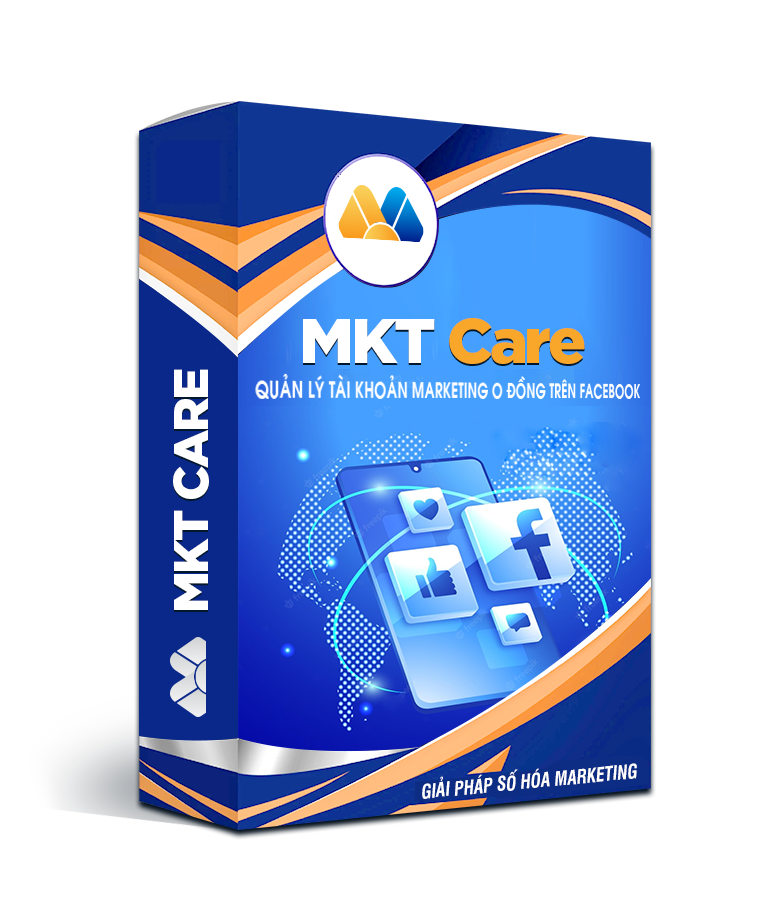
MKT Care is the 2026 Windows desktop suite built for operators who need to run Facebook bulk messaging at scale without triggering Meta’s throttle systems. It handles the full pipeline end-to-end: persona warming, contact import, message-template rotation, personalization token injection, humanized send delays, and a unified inbox for incoming replies.
The setup is straightforward. Import a CSV of contacts grouped by cohort. Attach a persona pool (5–30 Facebook accounts) with a residential proxy on each. Build 3–5 message variants per cohort, with personalization tokens (first name, city, last interaction). Set a send rhythm (e.g. one DM every 90–180 seconds per persona, capped at 80/day). The engine takes over from there, sending the next queued message from the next available persona with rotated wording and jittered timing.
The replies flow back into a unified inbox where the operator can sort by cohort, by sentiment, and by hot/warm/cold. Teams already running a related Facebook inbox assistance workflow plug the outbound and inbound funnels into one screen, which is where the conversion math really clicks: the same operator who sent 2,000 DMs can triage and respond to the 200–300 replies that come back without ever opening a browser.
Three details make MKT Care pull ahead of generic DM schedulers when the goal is sustained Facebook bulk messaging at agency scale. First, the message spinner rewrites every DM at send-time so no two recipients see identical wording, killing the duplicate-content signal that flags bulk senders fastest. Second, the persona-health dashboard tracks per-account delivered rate and reply rate in real time, so weak personas can be retired before they drag down the whole pool. Third, the unattended-run mode keeps the queue working overnight without operator supervision, which is how agencies hit 5,000-DM days without staffing a night shift.
V. Mistakes that kill your Facebook bulk messaging reply rate
Even with the right tool, six recurring mistakes flatten Facebook bulk messaging reply rates faster than anything else. Avoid all six and the curve climbs naturally.
- Sending from cold personas: a brand-new account with zero posts, zero friends, and zero history that suddenly sends 80 DMs reads as 100% bot. Warm personas for 5–7 days first.
- One template fits all: the same opener across 5,000 contacts is the textbook spam pattern. Run at least 5 variants per cohort and rotate per send.
- No throttle on replies: when replies come back, hammering them with instant follow-ups inside the same minute screams automation. Build a 2–5 minute jitter on inbound responses too.
- Ignoring the unsubscribe signal: if someone says "not interested," suppressing them globally protects deliverability across the whole persona network.
- Same proxy across personas: 20 accounts on one IP is the fastest way to get all 20 throttled simultaneously. Residential proxy per persona, no exceptions.
- No A/B feedback loop: running 5,000 DMs without tagging which opener won and which cohort converted leaves the next campaign blind. The bottom 20% of openers should retire every week.
Operators who clean up these six mistakes and pair them with the MKT Care automation engine routinely rebuild Facebook bulk messaging reply rates from 2–3% back into the 8–12% range within a fortnight. The brands that hold to this discipline week after week, not just at campaign launch, are the ones whose persona networks are still healthy six months later when sloppier competitors are already rebuilding from scratch after a wave of soft-blocks and unrecoverable account losses across their whole stack.
VI. See Facebook bulk messaging in action
Watch the short demo below to see MKT Care send personalized DMs to thousands of Facebook contacts across a persona network from one dashboard, end-to-end, with no manual login.
Conclusion
Reply rates on Facebook bulk messaging recover when you treat the campaign like a deliverability problem, not a volume problem. Diagnose which of the four signals is hurting you, fix the fundamentals organically, and let MKT Care handle the heavy lifting of personalized send + reply triage at scale. The brands that follow this loop rebuild their inbox conversion in days, not months, and keep their persona networks healthy for the long run.
Contact MKT Software
MKT Software – the leading marketing automation suite for serious operators.
- Address: 4th Floor, Stellar Garden Building, 35 Le Van Thiem Street, Thanh Xuan District, Hanoi
- Hotline: +84335648286
- WhatsApp: +84335648286
- Telegram: @vietlongmkt
- Email: [email protected]
- YouTube: @marketingtool_mktsoftware