In today’s digital world, where businesses are constantly expected to provide targeted and consistent communication with their customers, an automated marketing funnel is one of the most effective ways to achieve this.
In this article, MKT Software will break down all the marketing funnel stages and guide you on how to build an automated marketing funnel with ease.
I. What is a marketing funnel?
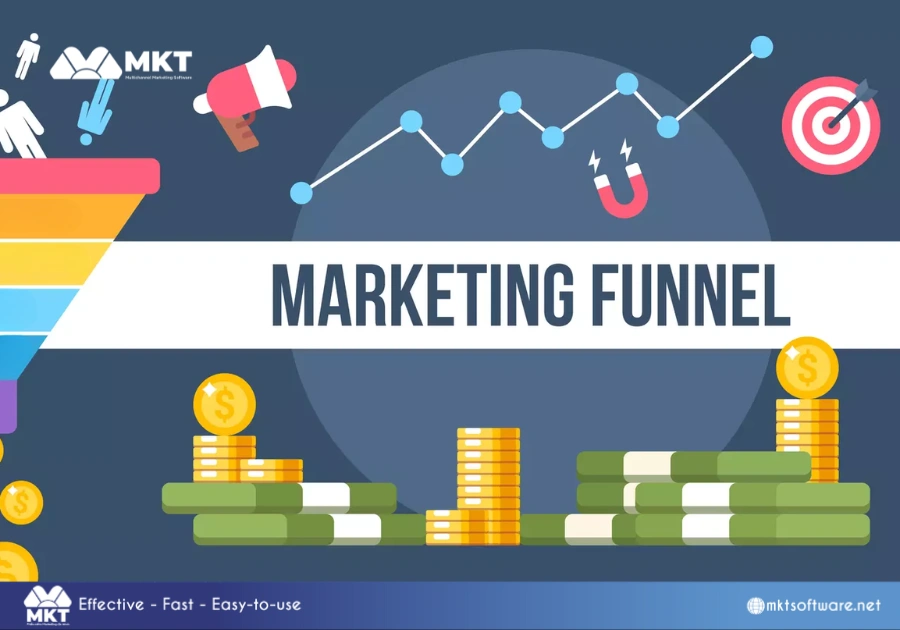
A marketing funnel is a model that represents the journey a potential customer takes from becoming aware of your product or service to eventually making a purchase, and even continuing to engage with your brand post-purchase.
Stages of marketing funnels
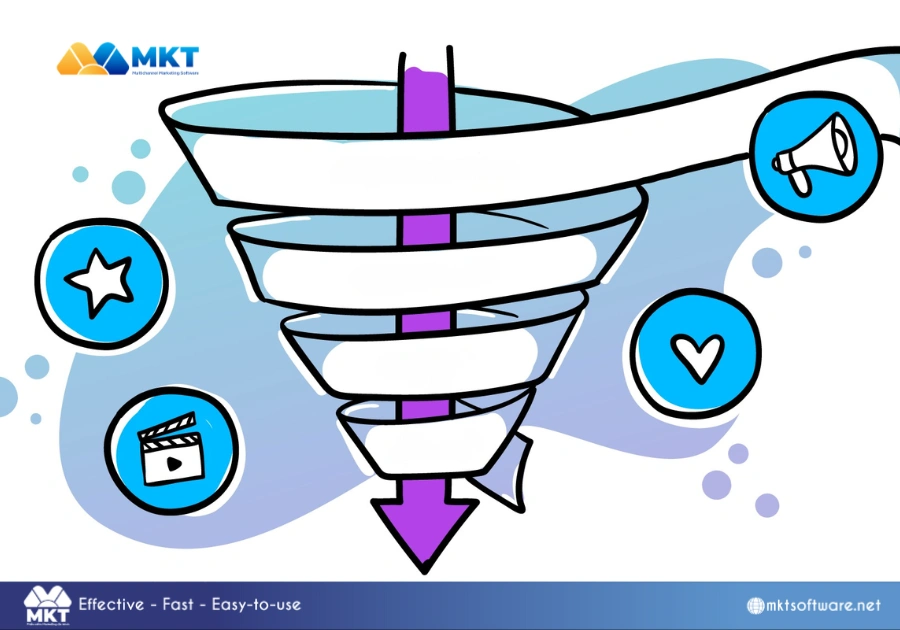
A well-structured marketing funnel typically has several stages, with each designed to meet the specific needs of customers at different points of their journey. Below are the key stages of a marketing funnel:
- Awareness: The awareness stage is the top of the funnel. At this stage, potential customers are becoming aware of your brand, products, or services. They may not yet know what specific problem they need solving, or they may be exploring their options.
- Interest: In the interest stage, prospects know what they need, but they are still comparing different solutions. The customers in this stage are actively seeking more information to evaluate their options.
- Nurturing: The nurturing stage occurs after a prospect has shown interest in your brand but isn’t ready to purchase yet. At this point, the goal is to build a deeper relationship with the lead by providing more personalized content.
- Conversion: The conversion stage is when the lead is ready to take action. Here, brands aim to guide them towards making a purchase.
- Retention and upsell: The retention and upsell stage focuses on turning a one-time customer into a repeat buyer or brand advocate.
II. What makes marketing funnels important?
Marketing funnels are important for businesses because they provide a structured approach to guiding prospects through their journey. Without a clear funnel, businesses risk missing out on opportunities to engage with potential customers at various stages of their decision-making process.
Some key reasons why marketing funnels are important include:
- Scalability: With an automated funnel, businesses can manage and nurture hundreds or thousands of leads without significantly increasing resources.
- Efficiency: By automating repetitive tasks, businesses can focus on higher-level strategies while the funnel continues to work in the background.
- Improved lead conversion: A well-defined funnel ensures that prospects receive the right content at the right time, which increases the likelihood of conversion.
- Customer retention: Marketing funnels help businesses build long-term relationships with customers, leading to better retention and higher customer lifetime value.
III. How to build an automated marketing funnel
Each phase during the process of building an automated marketing funnel requires careful planning and execution to ensure that the funnel can effectively move leads from one stage to the next.
Below are the detailed steps on how to create a marketing funnel and implement automation tools to optimize each stage:
3.1. Step 1: Identify the target customers
Before building any funnel, brands need to understand who their customers are. They can identify their target audience by creating buyer personas based on factors such as:
- Demographics (age, location, gender).
- Interests and behaviors.
- Pain points and challenges.
- Buying motivations.

3.2. Step 2: Define the customer journey
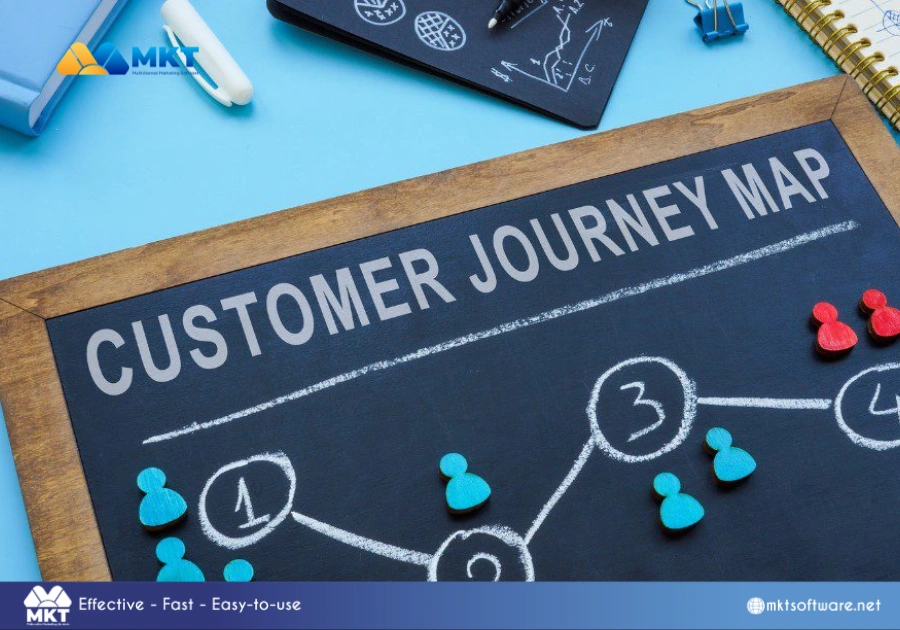
Once brands have identified their target customer groups, the next step is to map out the customer journey. This involves outlining the steps that a prospect will take as they move from the awareness stage to the conversion stage, and then to retention.
Brands should think about the types of content and interactions that customers wish to receive that can guide them through each stage of the funnel, some examples include:
- Awareness: Blog posts, social media, ads,…
- Interest: Webinars, case studies, product demos,…
- Nurturing: Email drip campaigns, newsletters, follow-up content,…
- Conversion: Landing pages, sales offers, product recommendations,…
- Retention: Customer support, loyalty programs, upsell offers,…
3.3. Step 3: Develop high-quality content plans
Having high-quality content is the backbone of any successful marketing funnel – they need to be able to speak to the brand’s audience at each stage of the journey, and is designed to engage, inform, and eventually persuade them to take action.
Brands should begin by understanding their customers’ needs at every stage of the funnel. From there, they can create engaging, valuable content tailored to those specific needs, ensuring it resonates with the audience and drives conversions.
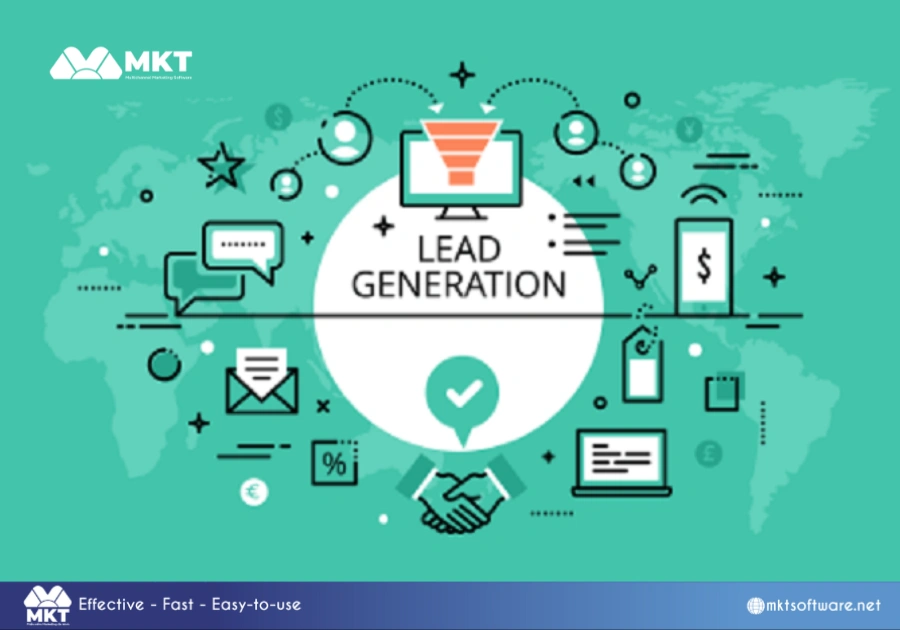
3.4. Step 4: Develop lead generation strategies
Once the funnel and content plan have been defined, the next step is to create strategies to capture and nurture leads. This can include:
- Lead magnets: Utilize free resources like E-books, guides, and webinars to entice prospects to exchange their contact information.
- Landing pages: Design optimized landing pages with compelling calls to action that encourage conversions.
- Forms and CTAs: Use clear calls to action (CTAs) and forms to collect leads.
Read more: 5 Best lead nurturing with automation strategies
3.5. Step 5: Implement automation tools
To effectively manage and optimize the marketing funnel, the last step is to implement automation tools to help automate repetitive tasks and manage multi-channel campaigns. Some key features to consider when selecting an automation tool can include:
- Email automation for lead nurturing.
- Lead scoring and segmentation.
- CRM integration.
- Analytics and reporting.
- Multi-channel campaign support.
Want some automation tools recommendations? Visit: TOP 5 Best Marketing automation tools for small business
IV. Final thoughts: Automated marketing funnels
Building an automated marketing funnel is a crucial step for businesses that want to scale their marketing efforts efficiently and drive consistent revenue growth. With automation in place, businesses will be able to engage leads, nurture them through the sales process, and convert them into long-term customers, all while saving time and resources.