As competition increases across digital channels, businesses can no longer rely solely on manual outreach and traditional marketing methods to generate leads. In response to this, the adoption of automation in lead generation has grown rapidly, becoming an essential strategy for brands.
In this article, MKT Software will explore key aspects of lead generation automation, including how it works, its core benefits and introduce some real-life implementation examples.
I. What is automated lead generation?
To understand it simply, automated lead generation refers to the use of software and tools to automatically nurture potential customers without constant manual intervention.
Some examples of automated lead generation practices include:
- Attracting interest through ads, SEO content, social posts, or landing pages.
- Capturing lead details via forms, gated content, chatbots, or sign-up flows.
- Qualifying leads using rules or lead scoring based on profile data and behavior.
- Nurturing leads with automated emails, messages, or retargeting until they are sales-ready.
- Routing leads to the right sales rep or CRM pipeline based on territory, industry, deal size, or intent.
Similarly to other applications of automation in digital marketing, it is important to note that it does not replace the need for human input or judgement. Businesses will still need to define the target audience, create offers and content, and decide what qualifies as a good lead.
Read more: What is marketing automation in digital marketing?
II. Real-life examples of automation in lead generation
Automation in lead generation can take many forms depending on the business model, target audience, and digital channels used. To better illustrate how automation can support and enhance business operations, below are 3 real-world examples of how automation can be applied in lead generation:
2.1. Amazon’s email campaigns
Amazon uses highly sophisticated automated email systems to generate and nurture leads based on user behavior. Rather than sending generic promotional emails, Amazon’s system tracks customer actions in real time and responds accordingly.
Automated responses are triggered when customers perform specific actions, such as viewing a product multiple times or adding an item to their cart without completing the checkout process.
These automated responses often include personalized email messages such as:
- Product recommendations based on browsing history.
- Abandoned cart reminders.
- Suggested add-ons related to previous purchases.
- Time-sensitive offers to encourage action.

2.2. Sephora’s chatbots
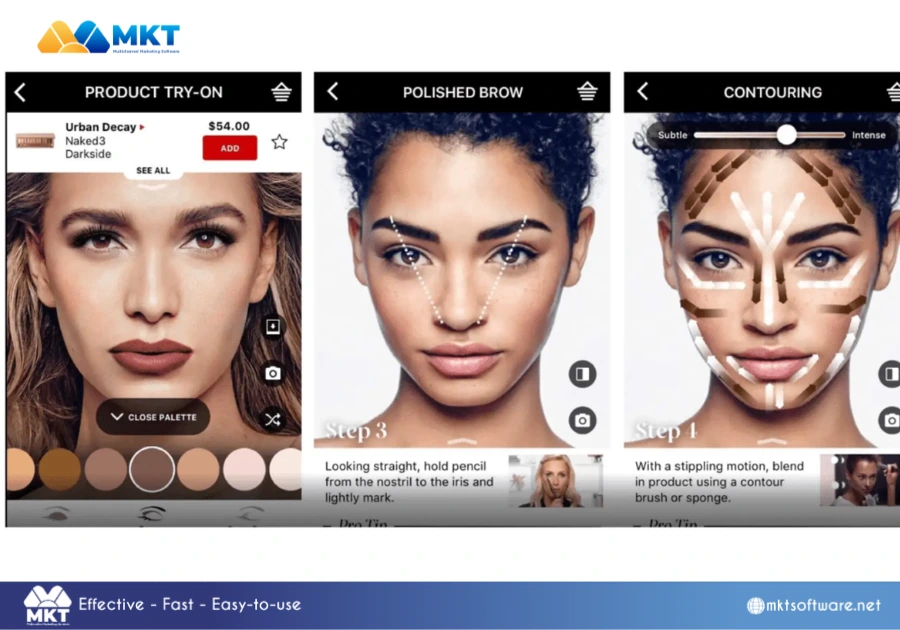
Sephora integrates AI-powered chatbot automation into its website and messaging channels to capture and qualify leads in real time. When visitors browse Sephora’s website or interact via messaging apps, the chatbots will automatically perform actions such as:
- Greeting users.
- Asking about product preferences.
- Offering personalized recommendations.
- Suggesting products based on skin type or concerns.
- Pre-booking consultations or in-store appointments.
A more detailed example can mention how if a user mentions dry skin, the chatbot will mention specific moisturizer products or beauty packages.
By integrating automated chatbots into its lead generation strategy, Sephora was able to instantly capture customer information while providing personalized services at the same time.
2.3. LinkedIn’s content recommendation
LinkedIn provides a strong example of how automation can support lead generation through intelligent content distribution.
Instead of relying heavily on manual outreach, LinkedIn uses algorithms and behavioral tracking to automatically recommend content that matches each user’s interests. For example, a marketing professional that often interacts with digital marketing posts will receive more related content suggestions.
This automated personalization helps keep users engaged on the platform while gradually introducing more premium offers.
III. Benefits of automation in lead generation
As customer journeys become more complex, prospects often interact with multiple touchpoints before making a decision. Without automation, it becomes difficult to monitor these behaviors and respond at the right time.
Below are some important benefits that automation in lead generation can offer to brands:
- Improved productivity: Automation helps reduce the need to manually perform repetitive lead generation tasks, thus allowing marketing teams to focus on more integral procedures.
- Higher brand awareness: An automated workflow can ensure consistent communication across channels to keep the brand visible and top of mind for potential customers.
- Accurate data analysis: Automation tools can collect and organize behavioral data such to provide valuable insights into customer interests and performance.
- High-quality lead generation: By qualifying leads before passing them to sales teams, businesses can improve conversion efficiency and reduce wasted effort.
- Cost-saving: Although automation tools require investment, they reduce the need for manual labor and improve campaign efficiency. Over time, businesses can generate more leads with lower operational costs.
IV. Steps to implement an automated lead generation system
Building an automated lead generation system is not simply about purchasing software and turning on a few features. It requires strategic planning, clear objectives, and alignment between marketing and sales teams.
Below are the key steps to successfully implement an automated lead generation system:
Step 1: Identify your target audience
Before setting up any automation tools, you must clearly define the type of leads you want to attract. Without a precise understanding of your audience, even the most advanced automation system will struggle to deliver results.
A practical way to begin is by developing a buyer persona which includes information such as:
- Job role or profession.
- Industry.
- Business size.
- Goals and challenges.
- Buying motivations.
- Pain points.

Step 2: Structure and segment lead data
Once leads begin entering your system, organizing their data becomes essential. Automation can only perform at their best when data is clean, accurate, and properly categorized. Brands should learn to divide leads into meaningful segments based on criterias such as:
- Demographics.
- Engagement level.
- Buying stage.
- Behavioral triggers, and more..
Step 3: Pick suitable automation tool
Choosing the right automation tools can directly impact performance and long-term scalability. The tools you select should match your business goals and integrate with the current existing systems.
When evaluating which tool to pick, you should prioritize integration capability, ease of use, and list of features.
Step 4: Integrate systems
Automation systems should never operate in isolation. To maximize efficiency, all platforms should be able to communicate seamlessly together. For example: Leads captured from ads or landing pages should automatically flow into the CRM system.
Read more: 4 must-know differences between CRM and marketing automation

Step 5: Launch content distribution
With your systems integrated, content becomes the driver of lead generation. Automation allows you to distribute content consistently across multiple channels.
The key is to design content that aligns with each stage of the customer journey. Automation ensures your messaging reaches prospects at the right time, but the quality of the content still determines its overall effectiveness.
Step 6: Nurture leads
Attracting leads is only the beginning. To increase conversion potential, you must build structured nurturing workflows that can maintain engagement over time. Some examples include:
- Welcome email sequences.
- Educational drip campaigns.
- Webinar invitations.
- Case study follow-ups.

Step 7: Convert leads into transactions
The final stage focuses on turning qualified leads into paying customers. Once a lead meets the necessary qualification criteria, the system should automatically route them to the appropriate sales representative to close the deal.
V. Final thoughts: Automation in lead generation
Automation in lead generation is no longer optional for businesses operating in competitive digital markets. When thoughtfully implemented and continuously optimized, it becomes a powerful engine that can help businesses capture and nurture leads more efficiently while improving overall performance.