As B2B companies continue to invest heavily in digital channels, one important question often comes up: Should digital marketing be handled in-house or outsourced to an external agency?
While both approaches are widely used, each comes with its own advantages and limitations. In this article, MKT Software will break down the differences between these two B2B digital marketing services approaches and offer an alternative.
I. What is B2B digital marketing?
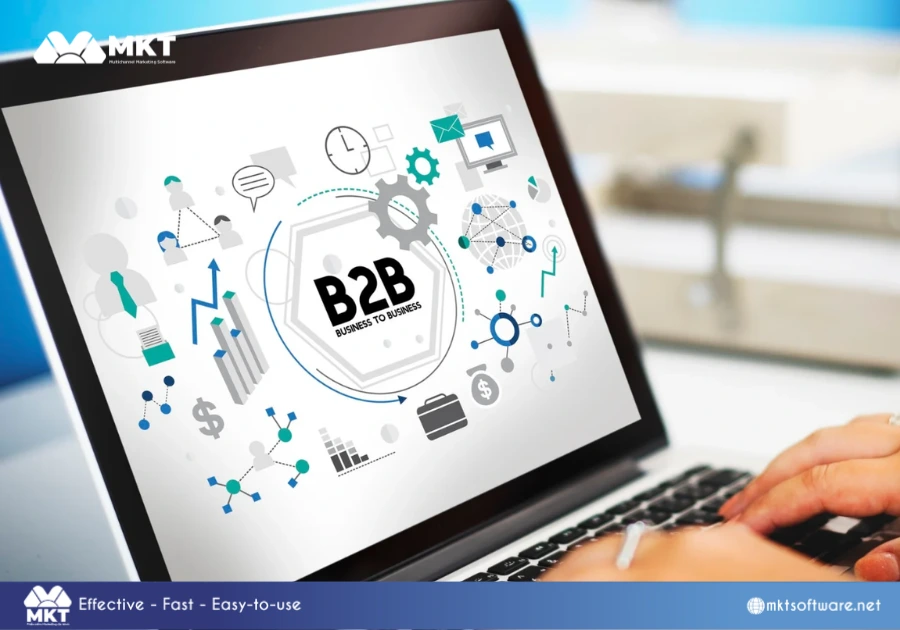
B2B (business-to-business) digital marketing refers to all online marketing activities designed to attract, engage, and convert other businesses, rather than individual consumers. Unlike B2C (business-to-customer) marketing, B2B digital marketing typically involves longer sales cycles, higher-value transactions, and multiple decision-makers.
The primary objective of B2B digital marketing is not just visibility, but lead quality and trust-building. Effective B2B marketing focuses on educating prospects, solving business problems, and nurturing relationships until prospects are ready to make a purchase decision.
You may be interested in: Mastering digital marketing in 2026: What does it take?
II. Types of B2B digital marketing services
B2B digital marketing services will involve the use of digital strategies to support lead generation and revenue growth from one business to another. These services are often offered by agencies or built internally by marketing teams.
Some common types of B2B digital marketing services include:
- Search engine optimization (SEO): Improving website visibility on search engines to attract high-intent traffic from business buyers.
- Content marketing: Creating blog posts, case studies, whitepapers, and videos that educate prospects and build authority.
- Social media marketing: Using platforms like LinkedIn, Facebook, and X to distribute content, engage decision-makers, and increase brand credibility.
- Email marketing and lead nurturing: Managing email campaigns that guide prospects through the sales funnel.
- Paid media campaigns: Running targeted ads on search engines and social platforms to generate qualified leads.
- Analytics and reporting: Tracking campaign performance, lead quality, and ROI to support data-driven decisions.
III. In-house vs Outsourced B2B digital marketing services
When planning a B2B digital marketing strategy, one of the most important structural decisions a business must make is whether to manage marketing in-house or outsource it to an external provider
Understanding the differences between these two models helps businesses choose an approach that can align well with their overall goals and resources.
3.1. In-house B2B digital marketing services
In-house B2B digital marketing refers to building and managing an internal marketing team that is responsible for planning, executing, and optimizing all digital marketing activities. This team works directly within the company and is fully dedicated to the brand’s products, services, and business goals.
Main advantages of having an in-house marketing team include:
- Full control over marketing strategy and execution.
- Deep understanding of the company’s products, industry, and customers.
- Faster communication and alignment with sales and internal teams.
- Greater flexibility to adjust priorities quickly.
Some disadvantages of this model include:
- High costs related to hiring, training, and retaining skilled professionals.
- Limited expertise if the team is small or specialized in only one area.
- Slower scalability when campaign volume increases.
- Heavy reliance on internal resources and manual processes.

3.2. Outsourced B2B digital marketing services
Meanwhile, outsourced B2B digital marketing involves hiring an external agency, consultant, or service provider to manage some or all digital marketing activities.
The main benefits of this approach include:
- Access to experienced specialists across multiple marketing disciplines.
- Faster setup and execution without long hiring processes.
- Exposure to industry best practices and proven frameworks.
- Easier scalability for short-term campaigns or rapid growth.
Some notable drawbacks outsourcing can cause include:
- Higher long-term costs due to monthly retainers or project fees.
- Limited transparency into daily execution processes.
- Slower turnaround times due to agency workflows.
- Reduced control over strategy and experimentation.
- Dependence on third-party availability and priorities.

3.3. Choosing between in-house and outsourced services
Unfortunately, there is no universally correct answer for whether in-house or outsourced B2B digital marketing services is better, as it depends on your business goals and preferences.
In-house teams are often better suited for businesses that value control, long-term brand development, and internal knowledge building. While outsourced services may be more suitable for businesses that need immediate expertise, faster market entry, or temporary scalability.
The table below highlights the core differences between in-house and outsourcing B2B marketing services:
| Criteria | In-house B2B Digital Marketing | Outsourced B2B Digital Marketing |
| Control | Full control over strategy, execution, and data | Limited control, dependent on agency processes |
| Cost Structure | Fixed costs (salaries, tools, training) | Ongoing service fees or retainers |
| Expertise | Limited to team’s skill set | Access to specialized experts |
| Speed of Execution | Fast for internal decisions, slower when scaling | Fast setup, slower adjustments |
| Scalability | Requires hiring and training | Easier to scale campaigns quickly |
| Business Knowledge | Deep understanding of brand and customers | Requires onboarding and ongoing alignment |
| Transparency | High visibility into daily operations | Depends on agency reporting quality |
| Long-term Flexibility | High, but resource-dependent | Lower due to reliance on third parties |
IV. MKT Software – A smarter alternative to B2B digital marketing services
As B2B marketing becomes more complex and automation-driven, the debate between in-house teams and outsourced B2B digital marketing services has only grown stronger.
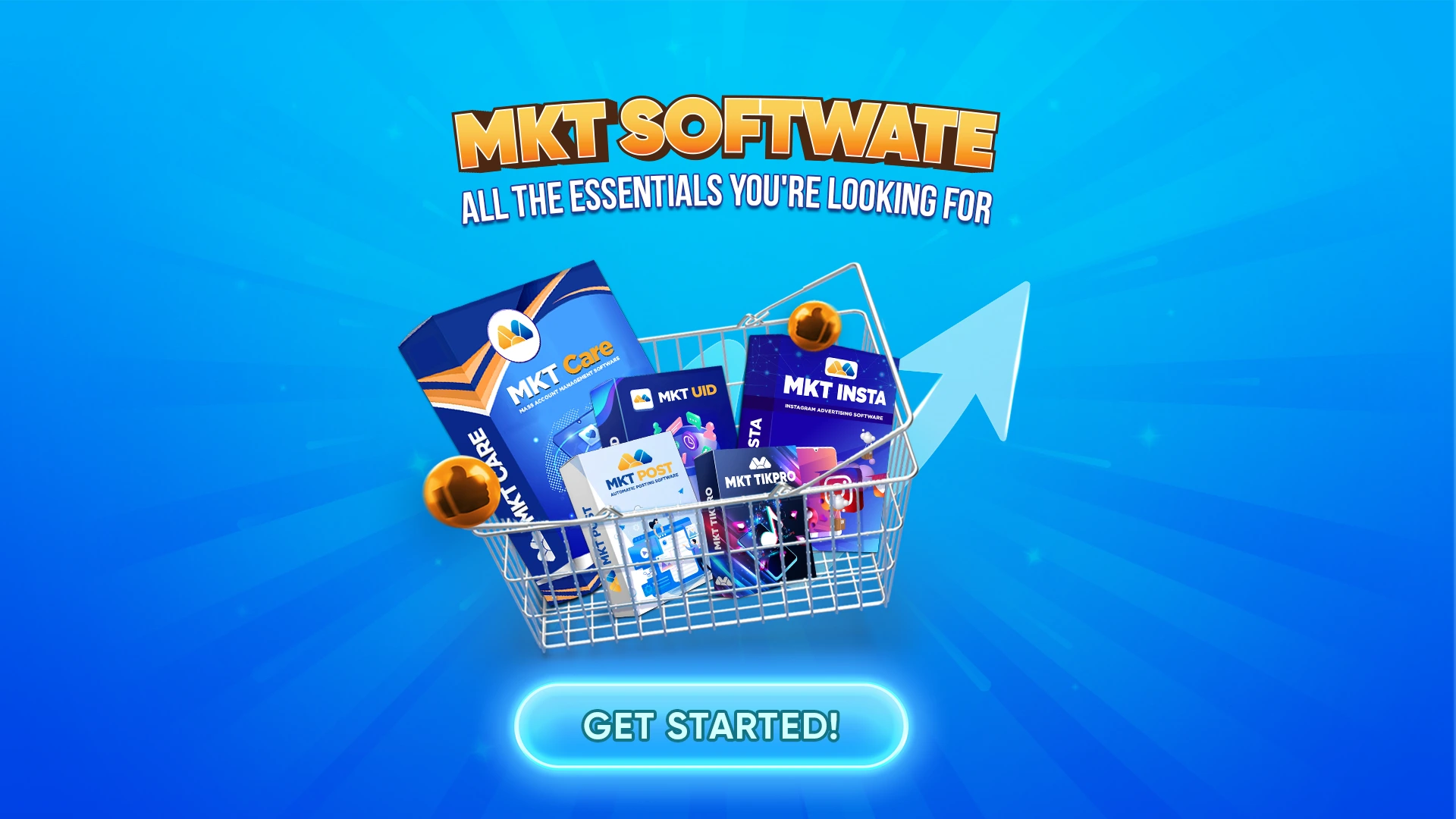
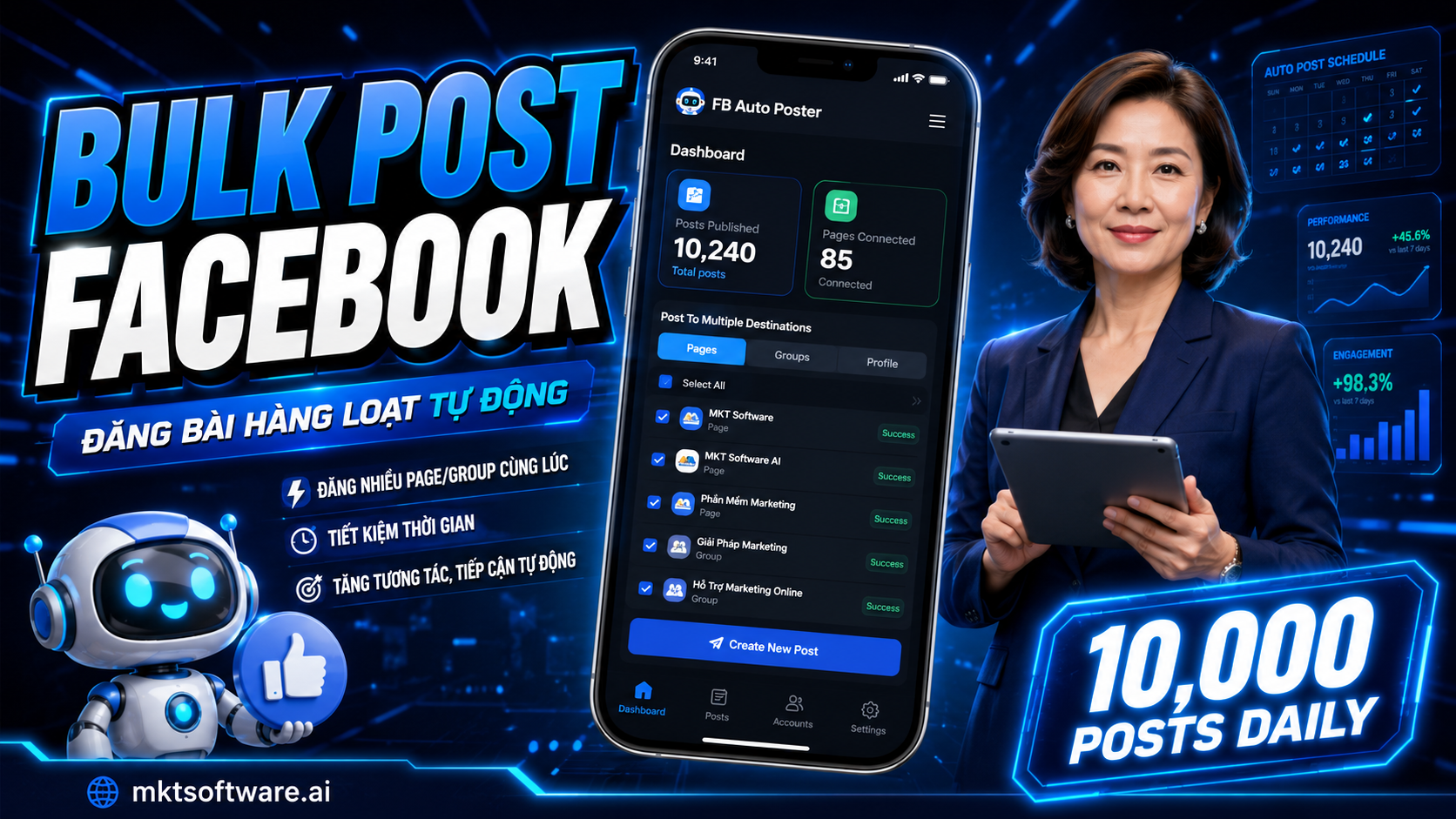
However, rather than choosing one over the other, MKT Software enables businesses to combine the strengths of both approaches – maintaining strategic control in-house while leveraging automation and scalable tools to execute efficiently.
MKT Software offers businesses the following key benefits:
- Fast campaign execution: MKT Software’s automation capabilities allow businesses to launch and manage campaigns quickly across multiple channels, reducing manual effort and shortening the time needed to see results.
- Lower operational costs: By automating repetitive tasks and reducing reliance on large internal teams or external agencies, MKT Software helps businesses save time, labor, and overall marketing expenses.
- Streamlined multi-channel marketing: Businesses can manage and coordinate marketing activities across multiple platforms from a centralized system, ensuring consistency while keeping operations organized and efficient.
- Training and ongoing support: MKT Software provides one-on-one guidance, training, and continuous support to ensure the platform is used effectively, helping businesses achieve sustainable, long-term results.
This combination of technology, training, and ongoing support is what allows MKT Software to act as a smarter, more sustainable approach to executing B2B digital marketing – without the heavy costs and limitations of traditional in-house teams or outsourced agencies.
Read more about our products here:
- Auto Post on Instagram – Easy Guide to Schedule Your Posts in 2025
- The Latest TikTok Live View Enhancement Software in 2025